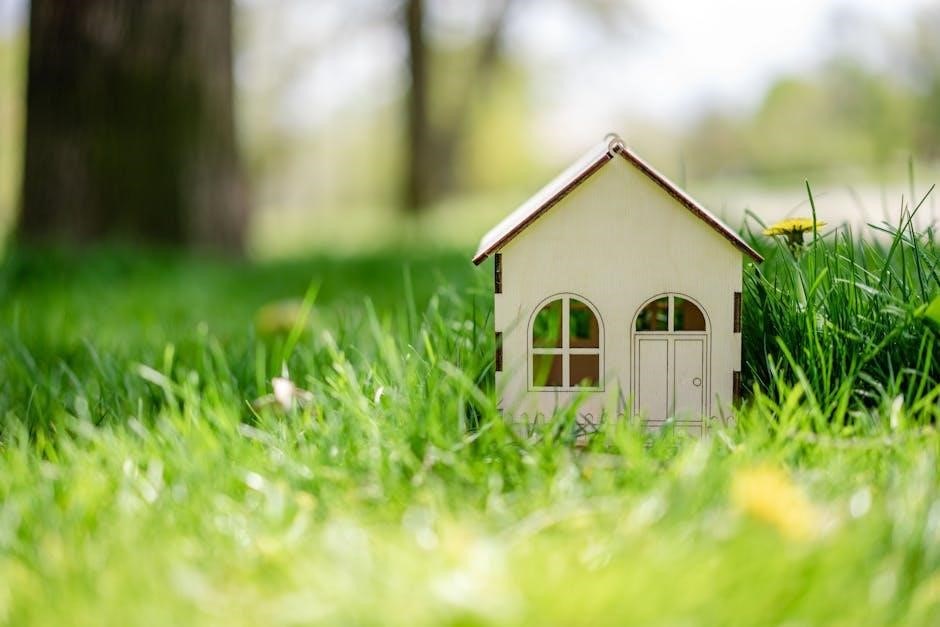
Discover the exciting world of downsizing! Explore readily available, cost-effective PDF plans for building your dream tiny home, starting your journey today․
What are Tiny Houses?
Tiny houses represent a growing movement towards simplified living, often defined as dwellings under 400 square feet․ These compact homes challenge conventional notions of space and ownership, prioritizing experiences over possessions․ Free tiny house plans PDF resources empower individuals to design and construct these minimalist spaces themselves, fostering self-sufficiency and affordability․ They range from mobile tiny houses on wheels (THOWs) offering nomadic freedom, to foundation-built structures providing a more permanent, rooted lifestyle․ Exploring these plans reveals innovative design solutions maximizing functionality within limited footprints, appealing to those seeking financial independence and a reduced environmental impact․
Why Choose a Tiny House?
Opting for a tiny house, aided by free tiny house plans PDF, offers numerous benefits; Financial freedom is a key driver, with significantly lower mortgage or rent payments and reduced utility bills; Environmental consciousness also plays a role, minimizing one’s carbon footprint through decreased consumption and resource use․ Furthermore, tiny living encourages intentionality, prompting a decluttered lifestyle focused on experiences rather than material possessions․ The accessibility of free plans democratizes homeownership, empowering individuals to build a customized, affordable, and sustainable dwelling tailored to their unique needs and values․
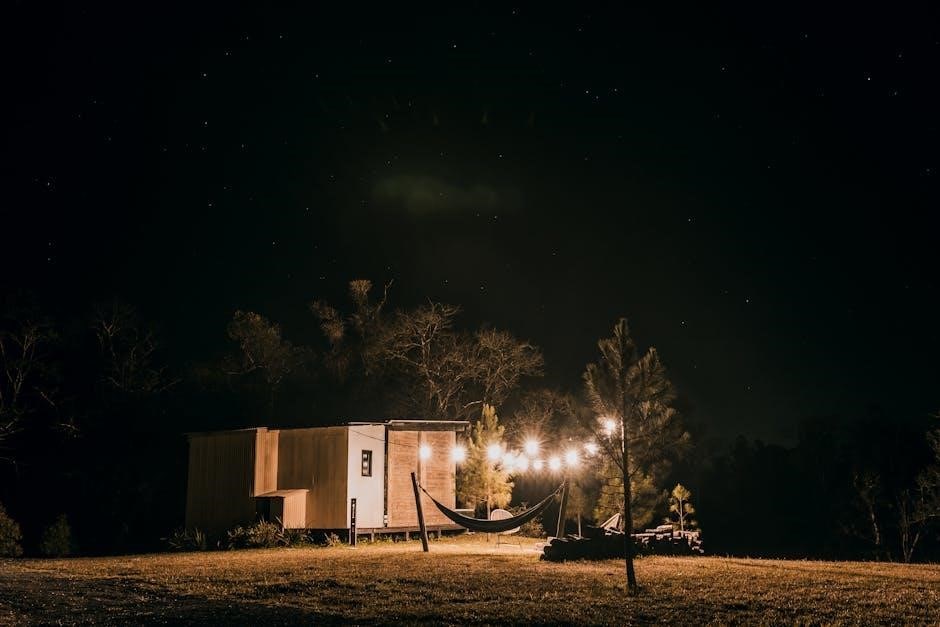
Finding Free Tiny House Plans PDF
Locate downloadable PDF plans online through dedicated websites and resourceful communities, unlocking a world of design possibilities for your tiny home build․
Popular Websites Offering Free Plans
Numerous online platforms generously provide free tiny house plans in PDF format, catering to diverse building preferences and skill levels․ Websites like Tiny House Design, and various Pinterest boards curate collections of user-submitted and designer-shared plans․ Additionally, platforms dedicated to DIY projects often feature tiny house blueprints․ Remember to carefully vet the source and plan details before commencing construction․ Some builders also share plans on their personal blogs or websites as a way to give back to the tiny house community, offering a wealth of options for aspiring builders seeking affordable and accessible designs․
Understanding Plan Variations
Free tiny house plans in PDF format exhibit significant variations in detail and scope․ Some offer comprehensive blueprints, including electrical and plumbing schematics, while others provide basic sketches focusing on structural layout․ Plans may differ based on foundation type – wheels (THOW) versus permanent foundations․ Consider the level of building experience required; some plans are geared towards seasoned builders, while others are suitable for beginners․ Always carefully review the plan’s completeness and ensure it aligns with your skill set and desired level of detail․
Checking Plan Legality and Copyright
Before utilizing any free tiny house plan PDF, verify its legality and copyright status․ Many plans are offered for personal use only, prohibiting commercial reproduction or resale․ Confirm the source’s terms of service and licensing agreements․ Be cautious of plans lacking clear copyright information, as they may infringe on intellectual property rights․ Respect the creator’s work and avoid unauthorized modifications or distribution․ Thoroughly investigate to ensure compliance and avoid potential legal issues during your build․
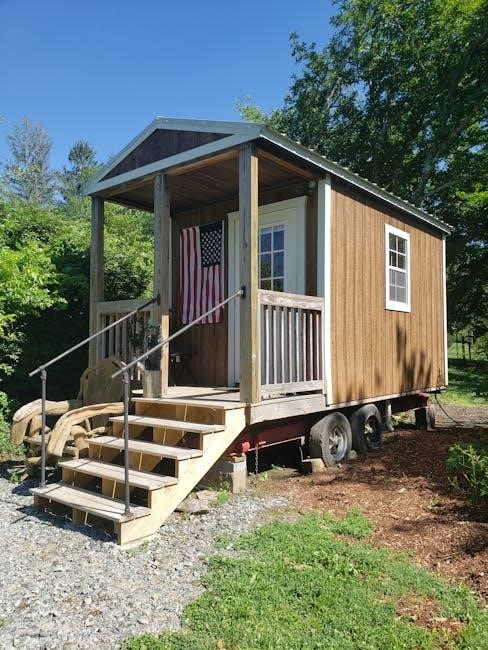
Types of Free Tiny House Plans Available
Find diverse PDF plans: THOWs, foundation builds, and shed conversions․ Explore basic sketches or detailed blueprints to match your skill level and needs․
Plans for Tiny Houses on Wheels (THOW)
THOW plans, often available as PDF downloads, prioritize portability and road-legal dimensions․ These plans frequently detail trailer specifications, crucial for a safe and structurally sound build․ Expect to find layouts maximizing space efficiency within a compact footprint, alongside framing and siding guidance․
Many free THOW plans focus on simplified construction techniques, ideal for beginner builders․ However, carefully review weight distribution considerations, as exceeding limits poses safety risks․ Look for plans including detailed hitch and lighting schematics, essential for legal road travel․ Remember to always verify compliance with local regulations regarding THOWs․
Plans for Foundation-Built Tiny Houses
PDF plans for foundation-built tiny homes offer greater design flexibility compared to THOWs․ These plans typically include detailed foundation specifications – slab, pier, or crawlspace – alongside comprehensive framing instructions․ Expect to find guidance on adhering to local building codes, crucial for permitting and safety․
Free plans often showcase various architectural styles, from modern minimalist to rustic cabin designs․ Carefully assess the plans’ suitability for your climate and site conditions, considering insulation and weatherproofing․ Remember to factor in utility connections – water, sewer, and electricity – when evaluating a plan’s feasibility․
Simple Shed Conversion Plans
For a budget-friendly entry into tiny living, explore PDF plans detailing shed-to-tiny-house conversions․ These plans often repurpose existing structures, minimizing construction time and costs․ Expect guidance on reinforcing the shed’s foundation, adding insulation, and framing interior walls․
Free plans typically focus on basic layouts, prioritizing functionality over elaborate design․ Carefully evaluate the shed’s structural integrity and ensure it meets local building codes before starting․ Remember to factor in costs for windows, doors, electrical wiring, and plumbing when budgeting for the conversion․
Detailed vs․ Basic Plans
Free tiny house PDF plans vary significantly in detail․ Basic plans offer conceptual layouts and minimal construction guidance, suitable for experienced builders comfortable improvising․ Detailed plans, though less common for free resources, provide comprehensive blueprints, material lists, and step-by-step instructions․
Consider your skill level when choosing․ Detailed plans reduce errors but may lack customization options․ Basic plans offer flexibility but demand more problem-solving․ Always supplement free plans with additional research and consult with professionals when needed to ensure a safe and structurally sound build․
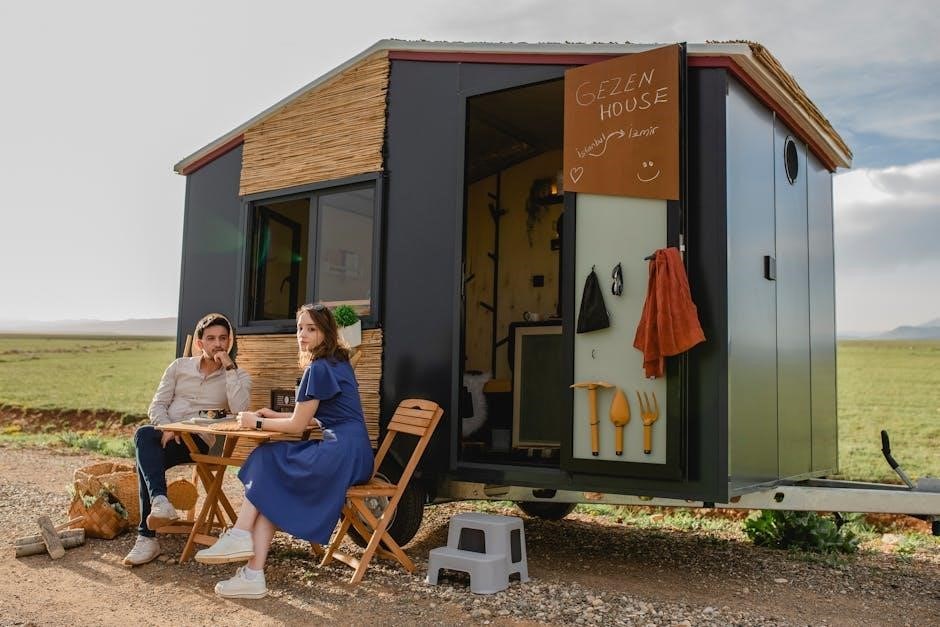
Essential Elements of Tiny House Plans
Quality PDF plans include clear floor plans, foundation specifics, roofing designs, and crucial electrical/plumbing schematics for successful construction․
Floor Plans and Layouts
Detailed floor plans are the cornerstone of any tiny house project, especially when utilizing free PDF plans․ These layouts illustrate room arrangements, door and window placements, and overall spatial organization․ Carefully examine dimensions to ensure functionality and comfortable living within a small footprint․
Look for plans offering multiple layout options or variations to suit your lifestyle․ Consider how the space will be used – sleeping, cooking, working, and relaxing – and choose a plan that optimizes flow and maximizes storage․ Pay attention to the placement of key elements like the kitchen, bathroom, and sleeping loft, ensuring they meet your needs․
Foundation and Framing Details
Free PDF tiny house plans should clearly outline foundation and framing specifications․ For foundation-built structures, plans detail footing sizes, foundation wall construction, and anchoring methods․ Tiny houses on wheels (THOW) require robust trailer framing plans, specifying steel gauge, weld points, and overall structural integrity․
Examine framing plans for wall stud spacing, header sizes, and roof rafter details․ Ensure the plans adhere to sound building practices and local codes․ Understanding these details is crucial for a structurally sound and safe tiny home, even with free resources․
Roofing and Exterior Design
Free tiny house PDF plans should illustrate roofing materials and installation techniques․ Details regarding roof pitch, overhangs, and flashing are essential for weatherproofing․ Exterior design elements, like siding choices and window placements, impact aesthetics and energy efficiency․
Look for plans specifying siding types (wood, metal, vinyl) and their proper installation․ Consider climate-specific needs – steeper roofs for snowy regions, for example․ Assess if the plans include ventilation details to prevent moisture buildup within the exterior walls․
Electrical and Plumbing Schematics
Comprehensive free tiny house PDF plans must include detailed electrical and plumbing layouts․ Schematics should pinpoint outlet, switch, and lighting fixture locations, alongside wiring diagrams․ Plumbing plans need to show water supply lines, drainpipes, and fixture connections․
Verify the plans adhere to safety standards and local codes․ Look for specifications on pipe sizes, wire gauges, and breaker panel configurations․ Ensure clarity regarding tankless water heater or composting toilet integration, if applicable, for a functional system․
Evaluating a Free Tiny House Plan
Carefully assess PDF plans for completeness, buildability, and cost-effectiveness․ Confirm material lists are detailed and local building codes are considered before starting․
Checking for Completeness
Before committing to a free tiny house plan PDF, meticulously verify its completeness․ A truly useful plan should encompass detailed drawings – floor plans, elevations, and sections – illustrating every aspect of the build․ Ensure it includes a comprehensive materials list, specifying quantities and dimensions for lumber, roofing, windows, and all other components․
Look for clear instructions regarding foundation requirements, framing techniques, and roofing methods․ Confirm the presence of electrical and plumbing schematics, even if basic, to understand system layouts․ Missing elements indicate an incomplete plan, potentially leading to costly errors and delays during construction․ A complete plan empowers you to accurately estimate costs and confidently proceed․
Assessing Buildability
Critically evaluate the practicality of constructing the tiny house from the PDF plans․ Consider your skill level – are you comfortable with framing, roofing, electrical, and plumbing? Assess if the design incorporates readily available materials and standard construction techniques․ Complex or unconventional designs may require specialized skills or custom fabrication․
Examine the plan for potential challenges, such as awkward angles, tight spaces, or unusual load-bearing configurations․ Visualize the building process step-by-step, identifying potential roadblocks․ A buildable plan prioritizes simplicity and efficiency, minimizing complications and maximizing ease of construction for the average DIY enthusiast․
Material Lists and Cost Estimates
Thoroughly review if the PDF plans include a detailed material list, specifying quantities and types of lumber, roofing, insulation, windows, and fixtures․ Beware of plans lacking this crucial component, as estimating costs becomes significantly harder․ Compare the listed materials with current local prices to create a realistic budget․
Factor in additional expenses beyond materials – tools, permits, transportation, and potential unforeseen costs․ Remember that free plans often require more research and potentially higher costs if modifications are needed․ A comprehensive cost estimate is vital for financial planning and project feasibility․
Compliance with Local Building Codes
Crucially, free PDF tiny house plans often don’t guarantee compliance with your local building codes․ It’s your responsibility to research and verify that the plans meet all regional requirements for foundations, framing, electrical, plumbing, and safety standards․ Ignoring this step can lead to costly revisions, delays, or even legal issues․
Contact your local building department before starting construction to understand specific regulations․ Be prepared to submit plans for review and obtain necessary permits․ Modifying plans to meet code may require professional expertise․
Software for Viewing and Modifying Plans
Utilize free PDF readers to view plans, or explore basic CAD software for minor edits and adjustments to your tiny house design․
PDF Readers and Editors
Accessing your free tiny house plans often means working with PDF files․ Several excellent, free PDF readers are available, such as Adobe Acrobat Reader, Foxit Reader, and Sumatra PDF․ These allow you to view, zoom, and print your plans easily․
For more advanced functionality – like annotating plans, adding notes, or even making basic edits – consider free PDF editors․ While full editing capabilities often require paid software, options like LibreOffice Draw or online PDF editors offer limited modification features․ Remember to always save a copy before making changes!
Free CAD Software Options
Want to modify those PDF plans? Free Computer-Aided Design (CAD) software opens up possibilities! SketchUp Free, a web-based version, is user-friendly for 3D modeling and can import PDFs as a base․ FreeCAD is a powerful, open-source parametric 3D modeler, though with a steeper learning curve․
DraftSight offers a free version for 2D drafting․ These tools allow you to customize dimensions, layouts, and even visualize your tiny house in 3D before construction begins, enhancing your project’s precision․
Online Plan Viewers
Need a quick way to examine PDF tiny house plans without installing software? Several online viewers are available! Chief Architect offers a free online viewer for browsing plans․ Many PDF readers, like Adobe Acrobat Reader DC (online version), allow zooming, rotating, and measuring directly within your browser․
These viewers are ideal for initial assessments and sharing plans with others․ They provide a convenient, accessible method to understand the design before committing to construction․
Building Considerations & Resources
Successfully building from PDF plans requires careful material sourcing, tool acquisition, and strict adherence to local building codes and permit requirements․
Trailer Selection (for THOW)
Choosing the right trailer is paramount for Tiny Houses on Wheels (THOW)․ Carefully consider the weight capacity, as your PDF plans’ material list dictates the finished structure’s load․ Opt for a trailer specifically designed for tiny homes, not repurposed flatbeds, ensuring proper support and longevity․
Look for features like electric brakes, sturdy axles, and a robust frame․ Proper trailer size directly impacts your floor plan’s feasibility․ Always factor in overhangs and ensure compliance with road legal width and height restrictions․ Thorough research and professional consultation are highly recommended before making this crucial investment․
Material Sourcing and Costs
Utilizing your PDF plans’ material list, begin sourcing locally to minimize transport costs․ Explore options like lumberyards, salvage yards, and online retailers for competitive pricing․ Consider reclaimed materials for an eco-friendly and budget-conscious build․
Factor in fluctuating lumber prices and potential shipping fees․ Don’t forget essential items like insulation, roofing, windows, and doors․ Creating a detailed spreadsheet will help track expenses and prevent overspending․ Prioritize quality materials for durability and long-term value, even if it means a slightly higher initial investment․
Tools Required for Construction
Reviewing your PDF plans will reveal necessary tools – a circular saw, drill, impact driver, and level are fundamental․ Essential safety gear includes safety glasses, gloves, and a dust mask․ Consider renting specialized tools like a nail gun or scaffolding to save costs․
A measuring tape, square, and hand saw are also crucial for accurate cuts․ Don’t underestimate the value of a good ladder and work lights․ Having the right tools streamlines the building process and ensures a professional finish, improving overall project efficiency․
Local Building Regulations and Permits
Before starting construction based on your PDF plans, thoroughly research local zoning laws and building codes․ Permits are often required for both foundation-built and THOW tiny houses, varying by location․ Contact your city or county planning department to understand specific requirements․
Ignoring regulations can lead to fines or forced removal of your tiny home․ Ensure your plans comply with size restrictions, foundation requirements, and safety standards․ Proper permitting protects your investment and ensures a legally compliant build․
Common Mistakes to Avoid
Don’t rely solely on PDF plans without verifying accuracy or completeness! Careless construction, ignoring codes, and underestimating costs are frequent pitfalls for builders․
Ignoring Building Codes
Utilizing free tiny house PDF plans doesn’t exempt you from local building regulations․ Failing to adhere to zoning laws, structural requirements, and safety standards can lead to costly fines, forced modifications, or even demolition․ Thoroughly research your area’s specific codes before commencing construction․
Many free plans lack detailed code compliance information, placing the onus on you to ensure everything meets legal standards․ Consider consulting with a local building inspector to verify your plans and avoid potential issues․ Prioritize safety and legality over simply following a free plan’s design․
Underestimating Costs
While free tiny house PDF plans eliminate design fees, they often mask the true financial commitment․ Material costs, tools, permits, and potential professional labor can quickly escalate beyond initial expectations․ Create a detailed budget encompassing all expenses, including a contingency fund for unforeseen issues․
Remember that “free” plans don’t account for regional price variations in building supplies․ Accurately estimating costs prevents project delays and financial strain․ Research material pricing thoroughly and obtain multiple quotes before making purchases to stay within budget․
Poor Planning and Design
Utilizing free tiny house PDF plans without careful consideration can lead to significant issues․ Insufficient planning regarding space utilization, storage solutions, and functionality impacts livability․ Thoroughly review the plans, visualizing the finished space and identifying potential drawbacks before construction begins․
Consider your lifestyle and needs; a poorly designed tiny house feels cramped and inefficient․ Modifying plans requires expertise; improper alterations compromise structural integrity․ Invest time in detailed planning to ensure a comfortable and functional tiny home․
Lack of Proper Insulation
Many free tiny house PDF plans may overlook crucial details regarding adequate insulation․ Insufficient insulation results in significant energy loss, leading to high heating and cooling costs, and discomfort․ Prioritize selecting plans that clearly specify insulation types and R-values suitable for your climate․
Consider spray foam, mineral wool, or rigid foam for optimal thermal performance․ Ignoring insulation impacts air quality and can contribute to moisture problems․ Proper insulation is vital for a comfortable, energy-efficient tiny home․
Resources for Further Learning
Dive deeper into tiny living! Explore online forums, books, and dedicated websites for expert advice and inspiration regarding PDF plans․
Tiny House Communities and Forums
Connect with fellow tiny house enthusiasts through vibrant online communities and forums! These platforms are invaluable resources for sharing experiences, troubleshooting challenges, and discovering hidden gems related to free tiny house plans PDF downloads․
Engage in discussions about specific plan designs, construction techniques, and legal considerations․ Many experienced builders generously offer advice and feedback on plans you’re considering․ Explore dedicated Facebook groups, Reddit communities (like r/tinyhouses), and specialized tiny house forums to tap into a wealth of collective knowledge․ Benefit from real-world insights and avoid common pitfalls by learning from others’ journeys․
Books and Online Courses
Deepen your understanding of tiny house construction with comprehensive books and online courses․ While free tiny house plans PDF provide a starting point, formal education enhances your skillset․ Explore resources covering framing, electrical systems, plumbing, and sustainable building practices․
Consider courses focusing specifically on tiny house design and construction, often taught by experienced builders․ Books offer detailed guidance on navigating building codes and material selection․ Invest in knowledge to ensure a safe, structurally sound, and legally compliant tiny home build, supplementing your PDF plans․
Blogs and Websites Dedicated to Tiny Living
Numerous online platforms showcase inspiring tiny house builds and offer valuable resources, complementing your free tiny house plans PDF․ Discover detailed build logs, material lists, and cost breakdowns from fellow tiny house enthusiasts․ These sites often feature curated collections of free plans and links to helpful tutorials․
Explore blogs focusing on minimalist living, sustainable design, and off-grid solutions․ Engage with online communities to ask questions, share experiences, and gain insights from experienced builders․ These resources provide practical advice and inspiration throughout your tiny house journey․
Legal Considerations
Verify zoning laws and permitting requirements before building from free tiny house plans PDF․ Ensure compliance to avoid legal issues and enjoy peaceful tiny living․
Zoning Regulations
Understanding local zoning regulations is paramount when utilizing free tiny house plans PDF․ Many municipalities have specific rules regarding minimum dwelling sizes, foundation requirements, and even the permissible types of construction․ Zoning dictates where you can legally place your tiny house – whether on a foundation or as a Tiny House on Wheels (THOW)․
Crucially, some areas may not recognize tiny houses as legitimate dwellings, leading to potential legal challenges․ Research setback requirements, height restrictions, and any limitations on accessory dwelling units (ADUs)․ Ignoring these regulations can result in fines, forced removal, or the inability to obtain necessary permits․ Always contact your local planning and zoning department for clarification before commencing any building project․
Permitting Process
Navigating the permitting process is vital when using free tiny house plans PDF․ It typically involves submitting detailed plans to your local building department for review and approval․ Expect scrutiny regarding structural integrity, electrical and plumbing systems, and compliance with building codes․
Be prepared to provide site plans, foundation details (if applicable), and material specifications․ The process can be lengthy and require multiple inspections throughout construction․ Consider hiring a qualified professional to assist with plan preparation and permit acquisition, ensuring a smoother and legally compliant build․
Insurance for Tiny Houses
Securing insurance for a tiny house built from free tiny house plans PDF can be challenging, yet crucial․ Standard homeowner’s policies often don’t cover these unique dwellings; Explore specialized insurers catering to tiny homes, offering coverage for both THOWs (Tiny Houses on Wheels) and foundation-built structures․
Factors influencing premiums include construction type, location, and value․ Provide detailed documentation, including build plans and appraisals, to obtain accurate quotes․ Consider liability, property, and personal belongings coverage for comprehensive protection․
Utilizing free tiny house plans PDF is a fantastic starting point for realizing your minimalist dreams! Remember thorough research, diligent planning, and adherence to local regulations are paramount․ Embrace the challenges and rewards of building a smaller, more sustainable lifestyle․
This journey demands dedication, but the freedom and financial benefits are substantial․ Connect with the thriving tiny house community for support and inspiration․ Begin building your future – one tiny step at a time!