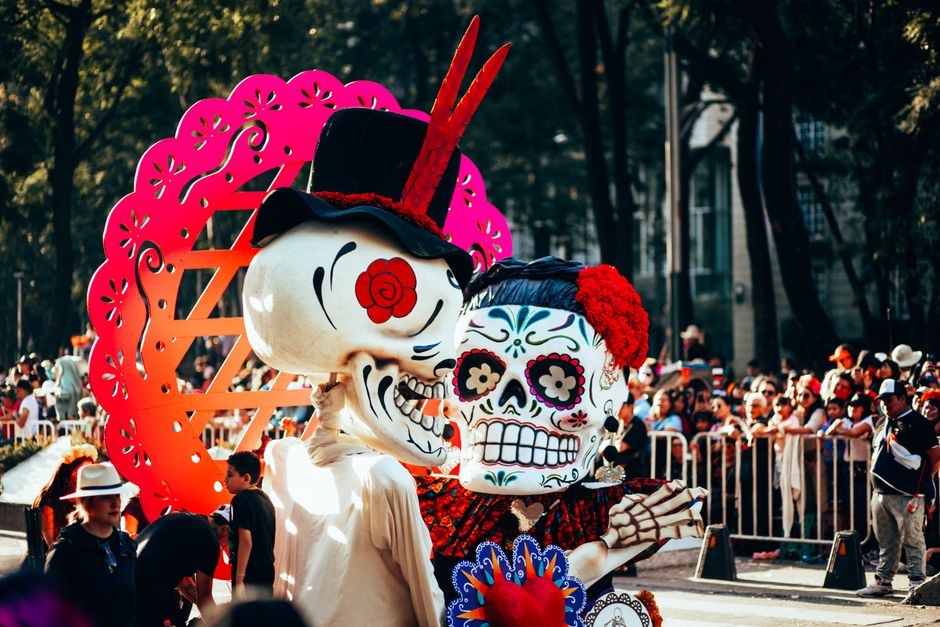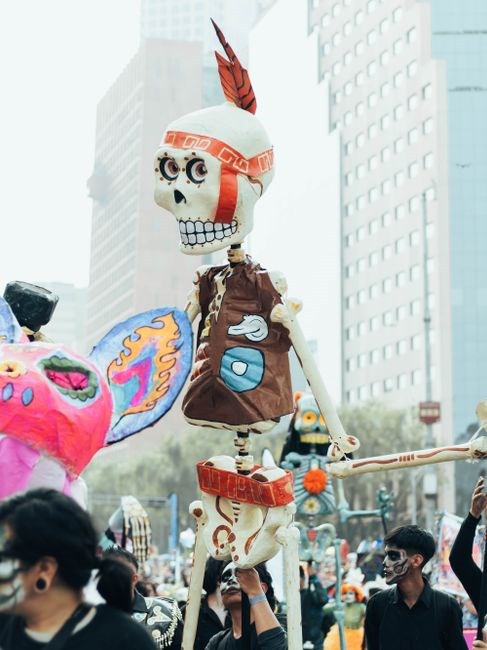
This PDF guides students through the Day of the Dead, blending cultural context with engaging questions. It offers a concise narrative, vocabulary highlights, and reflective prompts that deepen understanding and spark classroom discussion. Students create an ofrenda, sharing memories and hope.!
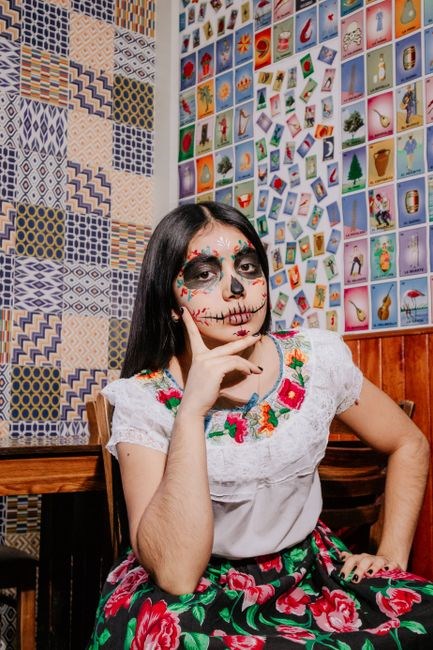
Purpose and Educational Value
The Day of the Dead reading comprehension PDF is designed to immerse students in the rich traditions of Mexico’s celebration. By weaving vivid descriptions of pan de muerto and marigold altars, the worksheet invites learners to explore cultural heritage while honing critical reading skills. The PDF includes a carefully curated passage that balances narrative flow with accessible vocabulary, ensuring that students of diverse backgrounds can engage. Following the reading, a series of targeted comprehension questions prompts analysis of main ideas, inference, and textual evidence, reinforcing higher‑order thinking. Additionally, a vocabulary section introduces key Spanish terms—such as “calavera,” “catrina,” and “memoria”—and provides English equivalents, fostering bilingual literacy. Students are encouraged to reflect on personal connections to remembrance, encouraging empathy and cultural appreciation. The worksheet’s design supports differentiated instruction: teachers can assign the PDF as a whole‑class activity, small‑group discussion or independent study, and can easily adapt the questions to match varying proficiency levels; Assessment is built into the document through answer keys and suggested rubrics, allowing educators to gauge comprehension and language acquisition efficiently. Overall, the Day of the Dead reading comprehension PDF serves as a versatile, culturally responsive resource that promotes literacy, cultural awareness, and critical thinking skills in a single, engaging formatvery.
Cultural Elements Covered
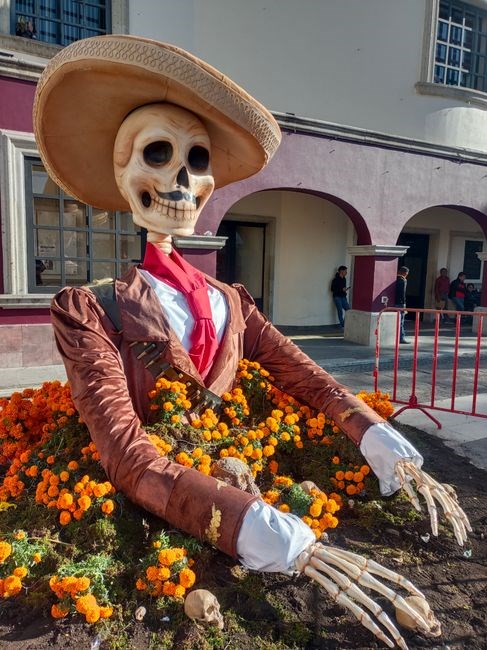
The PDF highlights pan de muerto, marigold symbolism, and ofrenda components, linking tradition to language. Students explore how food, flowers, and altars honor ancestors, fostering cultural literacy and empathy. It also covers candles, sugar skulls, in family.
Pan de Muerto
Pan de muerto, literally “bread of the dead,” is a sweet, yeasted loaf baked in the weeks leading up to Día de los Muertos. Its shape—often a circle or a loaf with a cross or a skull pattern—symbolizes the cycle of life and death. The dough is enriched with milk, eggs, and butter, giving it a tender crumb and a golden crust. A distinctive touch is the dusting of sugar, sometimes mixed with cinnamon, that glistens like snow on graves. Traditional recipes call for a pinch of anise or orange zest, adding aromatic depth. In many households, the baker invites family members to help, turning the process into a communal ritual that reinforces intergenerational bonds. Once baked, the loaf is placed on an ofrenda, offering sustenance to visiting spirits. Children often carve simple shapes into the top of the bread before it cools, creating miniature skulls or hearts. The act of sharing pan de muerto during the holiday is a tangible expression of remembrance and gratitude, reminding participants that death is a natural part of life’s continuum. The PDF’s reading passage explains these customs, while the accompanying questions prompt students to reflect critically about cultural practices and their personal significance. Students can taste a slice, noting the subtle hint of orange and the soft, airy texture that invites conversation about family stories. Teachers may ask them to compare pan de muerto to other holiday breads worldwide, encouraging cross‑cultural analysis and fostering a deeper appreciation for culinary heritage. It unites all hearts for all ages and families!
Marigold (Cempasúchil) Significance
Marigolds, known in Spanish as cempasúchil, are the most iconic flower of Día de los Muertos. Their bright orange hue and strong fragrance are believed to guide souls toward the offerings on an ofrenda. The petals are arranged in concentric circles, symbolizing the earth’s layers and the path between worlds; In the morning, families sweep the floor with marigold petals to create a fragrant trail that leads to the altar, while in the evening, the blossoms are placed beside candles to illuminate the night; The petals’ color is said to reflect the sun’s warmth, encouraging the dead to return to the living realm. Scholars note that the flower’s name, cempasúchil, derives from Nahuatl words meaning “flower of the day.” The ritual of scattering petals has roots in pre‑Hispanic cosmology, where the sun was central to life and death cycles. In the PDF, students read about how marigolds are grown, harvested, and used in art projects. The comprehension questions ask them to explain why marigolds are essential to the holiday and how they connect to cultural values of remembrance and reverence. Vocabulary terms such as “petals,” “altar,” and “ritual” are highlighted, and students are encouraged to draw their own marigold arrangement, fostering creative engagement with the text. This section deepens understanding of symbolic flora and its role in sustaining cultural identity. Students are also encouraged to research the origins of the marigold’s name in Nahuatl and compare its symbolic use to other cultures’ funerary flowers, fostering cross‑cultural empathy and deeper historical insight. Remember Soon.OK
Ofrenda Components and Symbolism
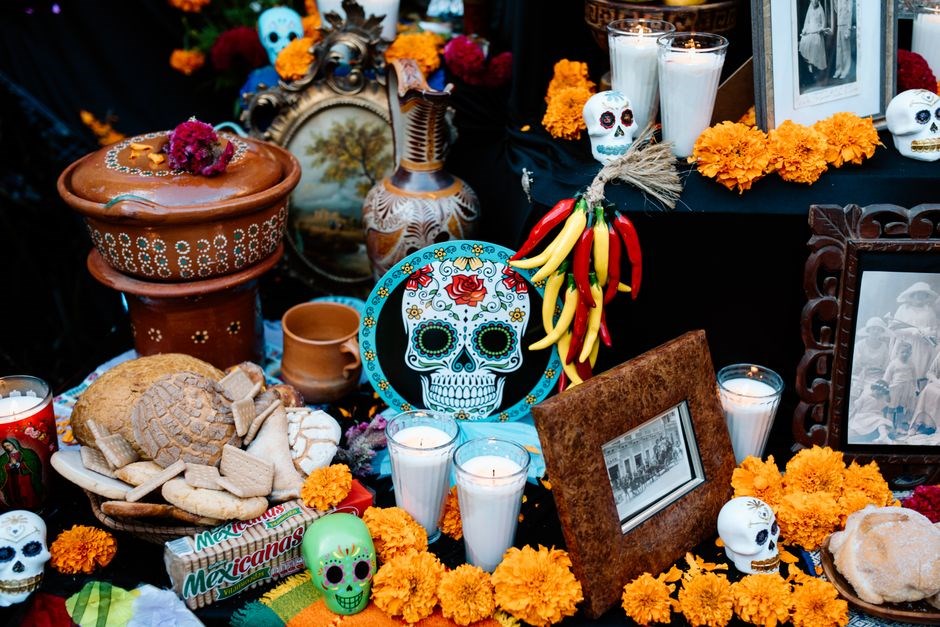
In the Day of the Dead tradition, an ofrenda is a carefully arranged altar that invites the spirits of loved ones to return for a brief reunion. The PDF introduces the core elements: a photo of the deceased, a favorite food, a personal item, candles, and marigold petals. Each component carries a layered meaning. The photograph serves as a visual anchor, reminding the living of the person’s presence. The food, often pan de muerto or the favorite dish, acts as nourishment for the soul, while the personal item—such as a watch or a book—provides a tangible link between realms. Candles symbolize the light that guides the dead back to the world of the living, and the marigold petals form a fragrant path that attracts the spirits. The PDF also explains how the arrangement follows a symbolic layout: the top of the altar holds the photograph, the middle tier contains food and personal items, and the bottom tier is decorated with marigold petals and candles. Students read about how these elements reflect the Mexican belief in a harmonious afterlife where the living and the dead coexist. The worksheet then asks learners to identify the purpose of each item and to explain how the ofrenda’s design fosters a sense of continuity and remembrance. By engaging with the symbolism, students gain insight into how everyday objects can become powerful cultural artifacts that honor memory and faith! Students are encouraged to create their own ofrenda, selecting items that hold personal meaning, thereby deepening connection to cultural heritage!
PDF Worksheet Structure
This PDF offers a concise reading passage, followed by targeted comprehension questions, a vocabulary list, and reflective prompts. Students analyze cultural details, answer true/false items, and practice Spanish terms, enhancing literacy and cultural awareness. Students share insights, fostering dialogue.
Reading Passage Overview
!! 🙂 !! :)!!!
The passage introduces the vibrant Mexican tradition of Día de los Muertos, describing how families honor departed loved ones through colorful altars, sweet breads, and marigold petals. It explains the symbolism of the “Pan de Muerto” and the “Cempasúchil” flower, and details the ritual of placing photographs, favorite foods, and personal mementos on an ofrenda. Students read about the holiday’s roots, its evolution from pre‑Hispanic rituals to contemporary celebrations, and how it blends Catholic and indigenous beliefs. The text includes vivid descriptions of sugar skulls, papel picado banners, and the nightly candlelight that guides spirits back to the living. By the end, readers gain a clear understanding of each element’s cultural significance, the communal spirit of remembrance, and how the holiday encourages reflection, gratitude, and joyful remembrance. This concise narrative invites students to explore the blend of faith and folklore, observe how families celebrate life and death, and appreciate the enduring legacy of Día de los Muertos across generations.
The narrative highlights communal activities during the festival, such as preparing traditional foods, sharing stories, and honoring ancestors. Families gather at the cemetery to clean graves, place flowers, and leave offerings, creating a bridge between living and dead. The passage emphasizes remembrance as a way to keep loved ones alive in memory, encouraging students to reflect on family histories and how they honor those who have passed. Students identify key symbols and meanings fordiscussion!! 🙂
!!!!
Comprehension Questions
What is the primary purpose of an ofrenda during Día de los Muertos?
List three items commonly placed on an ofrenda and explain their symbolic meaning.
How does the tradition of Pan de Muerto reflect the holiday’s theme of honoring the dead?
Describe the significance of marigold (Cempasúchil) flowers in the celebration.
In what ways does the festival blend pre‑Hispanic beliefs with Catholic practices?
Explain why families gather at cemeteries on this day.
Identify two modern activities that have become part of the Day of the Dead celebrations.
How does the holiday encourage reflection on life and death?
What role do sugar skulls play in the cultural narrative of Día de los Muertos?
Reflect on how you might incorporate a Day of the Dead theme into a classroom project.
How do families use papel picado at the Day of the Dead?
Why place favorite foods on an ofrenda?
Explain the role of candles in guiding spirits.
Why is the color orange significant in Day of the Dead decorations?
Discuss how the festival promotes intergenerational storytelling.
What does the phrase “recuerdos” mean in the context of the holiday?
Describe how music contributes to the atmosphere of the celebrations.
Explain the significance of the phrase “señor de los muertos.”
How can students create a digital ofrenda using classroom resources?
Answer now!!
Learn about holiday the customs.
Vocabulary Section
- Ofrenda – A decorative altar set up to honor deceased loved ones, often featuring photos, candles, flowers, and favorite foods.
- Pan de Muerto – A sweet, yeasted bread shaped like a skull or with dough decorations, symbolizing the cycle of life and death.
- Cempasúchil – The Mexican marigold flower, its bright orange petals believed to guide spirits back to the living world.
- Calavera – A stylized sugar skull used in decorations, representing the dead in a playful, respectful manner.
- Altar – The central structure of an ofrenda, arranged with symbolic items to welcome spirits.
- Velas – Candles placed on the altar to light the path for wandering souls.
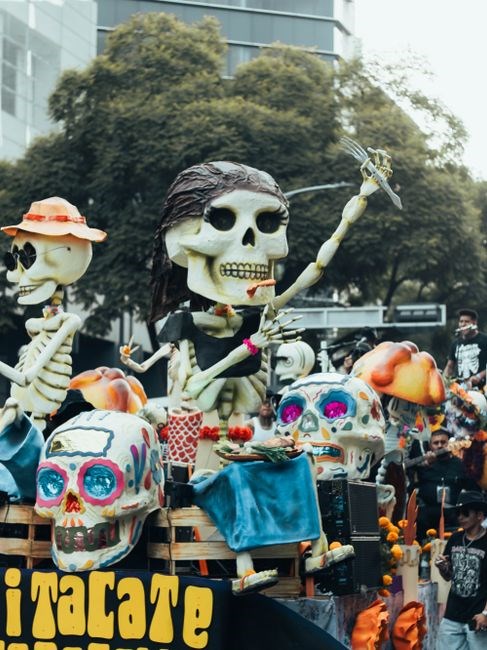
- Calacas – Humorous skeletal figures that appear in Day of the Dead art, reminding us that death is part of life’s rhythm.
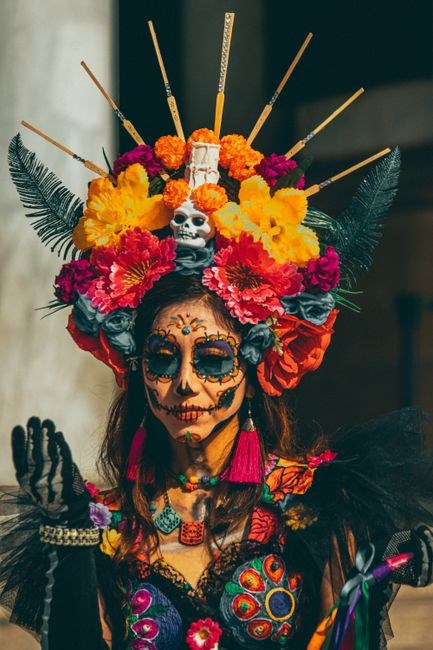
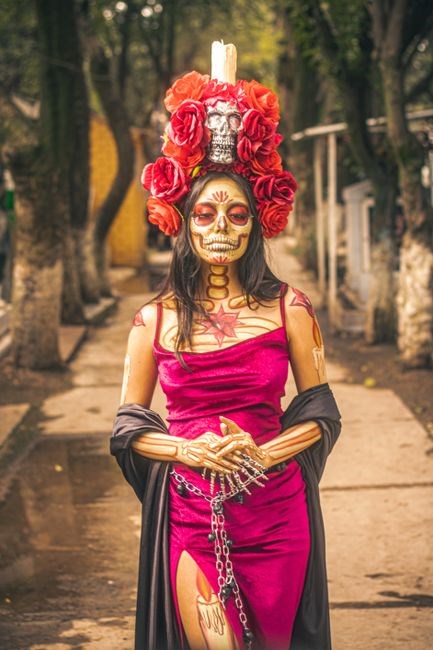
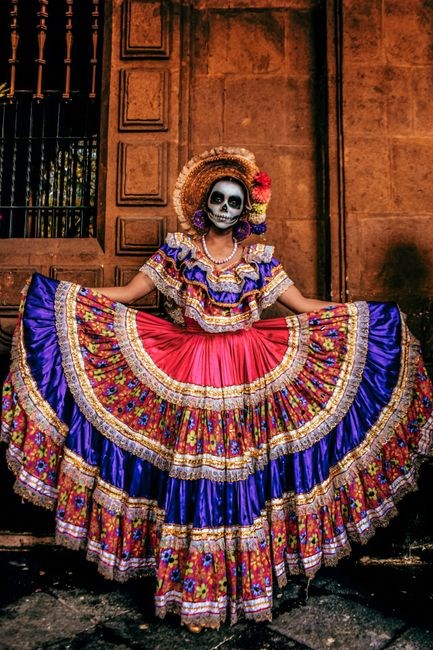
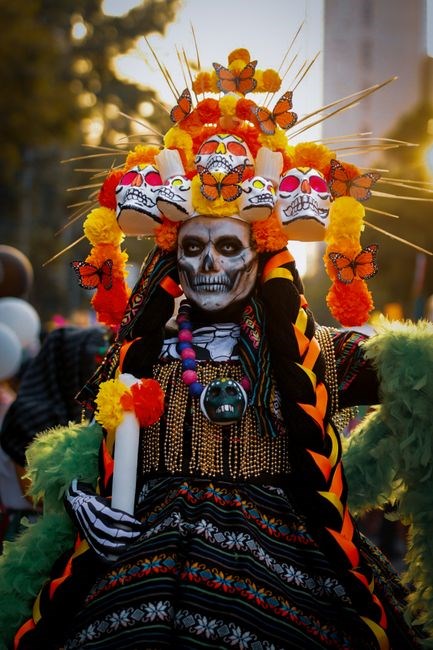
- Catrina – An elegant, stylized skeleton woman, often depicted in elaborate costumes, symbolizing the equality of all people in death.
- Diálogos – Conversations between living and dead, often told through stories, songs, and shared memories.
- Memorias – Memories kept alive through stories, photographs and rituals, ensuring the dead are remembered.
- Fiesta – A celebration that blends joy, music, and remembrance, turning mourning into a communal festivity.Read!Thanks
Using the PDF in the Classroom
Use the Day of the Dead PDF to spark discussion, assign reading, and create a class altar. Students annotate key terms, answer comprehension questions, and design their own ofrenda. The activity blends language skills, cultural insight, and creative expression. Students share stories together.!!
Teaching and Assessment Strategies
Begin with a guided read of the Day of the Dead passage, noting key terms such as Pan de muerto and marigold (cempasúchil). Use the built‑in vocabulary list to have students match Spanish words to English meanings, then ask them to write three new words they learned. Next, have students complete the checklist of typical ofrenda items, encouraging them to explain why each item is significant. For assessment, collect the completed worksheets and grade for accuracy and depth of reflection. Use the open‑ended prompt about creating a personal ofrenda to gauge cultural understanding and creativity. Finally, hold a peer‑review session where students present their ofrenda designs and discuss how the symbols connect to the narrative. This cycle of reading, vocabulary, reflection, and presentation reinforces comprehension and cultural appreciation. Students can also create a digital collage of the symbols discussed, using images of marigolds, sugar skulls, and candles, to further visualize the cultural significance. After the activity, conduct a reflective discussion where students share how the Day of the Dead traditions compare to their own family rituals, fostering cross-cultural empathy. Teachers can assess comprehension through a rubric that values accurate vocabulary usage, thoughtful responses, and creative presentation, ensuring students grasp both linguistic and cultural dimensions. Finally, provide exit ticket asking to a sentence about what the Day of the Dead means to them personally.!!
Download, Formats, and Customization
Access the Day of the Dead reading worksheet in PDF, Word, or editable formats. Download free, then personalize text, images, or questions to match your curriculum. Use the online editor to adjust fonts, add student names, or insert extra cultural facts
Available Formats (PDF, Word, etc.)
Students and educators can download the Day of the Dead reading comprehension worksheet in multiple file types to suit diverse classroom needs. The primary format is a high‑resolution PDF that preserves layout, images, and embedded hyperlinks for interactive use. For teachers who wish to adapt the text, a Word document is also available, allowing easy editing of questions, vocabulary lists, and cultural notes. Additionally, a plain‑text version can be downloaded for use on low‑bandwidth devices or for printing on paper with limited color options. The PDF and Word files are fully accessible, supporting screen readers and offering adjustable font sizes; All formats are free to download from the official repository, and the source files can be modified to include additional activities, such as matching exercises or fill‑in‑the‑blank sections, to reinforce learning objectives. The download page also provides a quick‑start guide that explains how to convert the Word file into a printable PDF, ensuring that the worksheet remains consistent across different operating systems. By offering these formats, the resource accommodates a wide range of teaching styles and technical environments, making it a versatile tool for exploring cultural heritage and improving reading comprehension skills; Teachers can adapt the worksheet by adding multimedia links, interactive quizzes, or student‑generated artwork to deepen engagement and personalize the learning journey. Today.
Tips for Customizing the Worksheet
To tailor the Day of the Dead reading comprehension worksheet to your classroom, start by reviewing the core learning objectives and adjusting the difficulty level of the questions. Replace the default vocabulary list with terms that align with your students’ language proficiency, and add a glossary section that includes both Spanish and English definitions. Use the Word format to insert student‑generated images of an ofrenda or hand‑drawn pan de muerto illustrations, then convert the file back to PDF for consistent printing.
- Insert interactive hyperlinks to online resources about marigold symbolism or traditional recipes.
- Embed a short video clip that explains the history of Día de los Muertos, and add a comprehension question about the video.
- Include a fill‑in‑the‑blank section where students translate key phrases.
- Offer a “create your own” activity: students design a mini‑ofrenda on paper and write a brief description in Spanish.
- Use color coding to highlight cultural terms, and provide a color key for visual learners;
When printing, choose a larger font size for younger learners and add a margin for teacher notes. You can also create a digital version that allows students to submit their answers electronically, enabling instant grading. Finally, gather student feedback after the activity to refine the worksheet for future use. Students can share their work online! OK