Overview of Dr. Scholl’s Corn Remover
Designed for gentle yet effective corn treatment, this system offers a safe, at‑home solution. It combines a medicated pad with a protective bandage to target thickened skin while minimizing irritation. Follow the concise steps for optimal results. The pad stays secure, keeping contact steady and safe now.
1.1 Understanding the Product Line
Dr. Scholl’s Corn Remover line includes a medicated pad, a protective bandage, and an optional soothing lotion. The pad contains a gentle keratolytic agent that softens callus tissue, while the bandage keeps it in place and limits friction. The lotion hydrates surrounding skin, easing dryness and supporting healing. Each component works together to safely remove corns without pain or infection. It is suitable for most adults, but those with diabetes or circulation issues should consult a healthcare professional before use. By following the recommended schedule—applying the pad once daily for a few days—users can expect gradual reduction in corn thickness and discomfort. The ergonomic design ensures easy application, even for individuals with limited dexterity. Overall, the Dr. Scholl’s Corn Remover line delivers a balanced approach to foot care, combining efficacy, safety, and user‑friendly features. The pad’s 10% salicylic acid concentration ensures effective corn removal while minimizing irritation!!
- Medicated Pad: Contains 10% salicylic acid to soften and dissolve corn tissue.
- Protective Bandage: Waterproof, breathable material that secures the pad and protects surrounding skin.
- Soothing Lotion: Moisturizes and calms irritation, aiding in faster recovery.
- Usage Tips: Apply to clean, dry feet; replace pad daily; avoid use on open wounds.
- Storage: Keep in a cool, dry place away from direct sunlight.
Why Corns Need Professional Removal
Professional removal prevents infection, reduces pain, and ensures proper technique. Self‑treatment may worsen corns, cause skin damage, or lead to fungal spread. Experts assess foot structure, apply safe keratolytic agents, and monitor healing for lasting relief. It reduces the risk of secondary infections.
2.1 Common Causes and Risks
Foot corns form when thickened skin layers develop over pressure points, often due to ill‑fitting shoes, abnormal gait, or structural foot issues like hammertoes. Repeated friction and compression cause the epidermis to harden, creating a protective callus that can become painful. Without proper care, corns may crack, bleed, or become infected, leading to cellulitis or abscess formation. Additionally, excessive moisture can soften the corn, making it more susceptible to fungal invasion. Chronic irritation can also trigger inflammatory responses, potentially worsening skin integrity and causing secondary conditions such as plantar warts or ulceration in diabetic patients. Early detection and appropriate removal are essential to prevent these complications and maintain foot health.
Misdiagnosing a corn as a blister or skin tag can delay treatment, allowing the lesion to deepen and increase pressure on surrounding tissues. Inadequate removal may leave residual keratin, perpetuating the cycle of friction. Moreover, untreated corns can alter walking mechanics, leading to compensatory strain on knees, hips, and lower back. For individuals with diabetes, the risk escalates as neuropathy reduces pain perception, making unnoticed corns a gateway for ulceration and potential amputation. Therefore, understanding the underlying causes and recognizing the associated risks is vital for timely, effective intervention.
Professional assessment also considers biomechanical factors such as arch height, foot pronation, and toe alignment. Patients should maintain a foot hygiene routine, inspecting for changes, and seek medical advice if pain persists or if they have conditions that impair healing. Regular follow‑up helps monitor progress adjust treatment as needed.OK safe. Stay healthy

Preparing Your Feet for Treatment
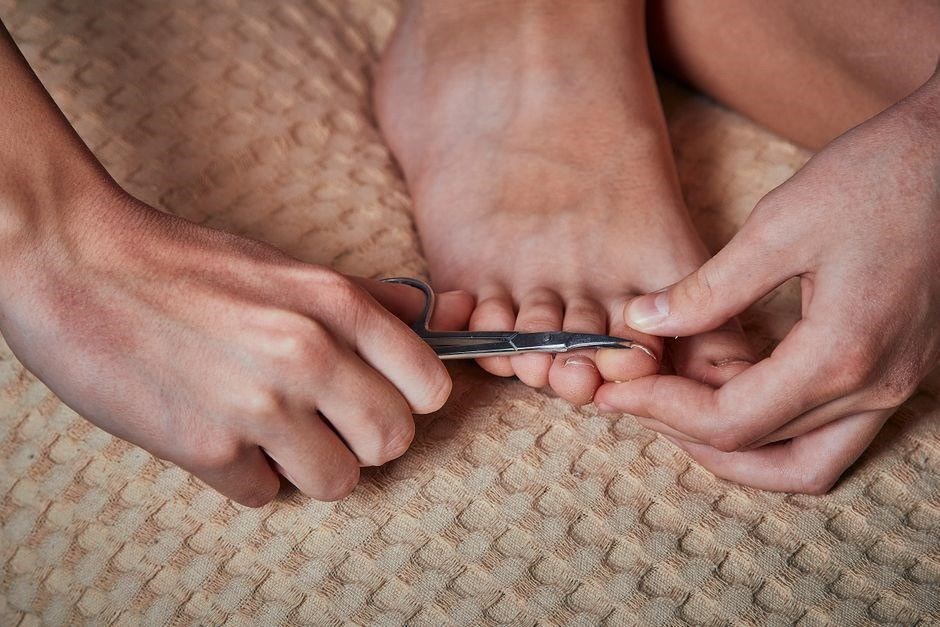
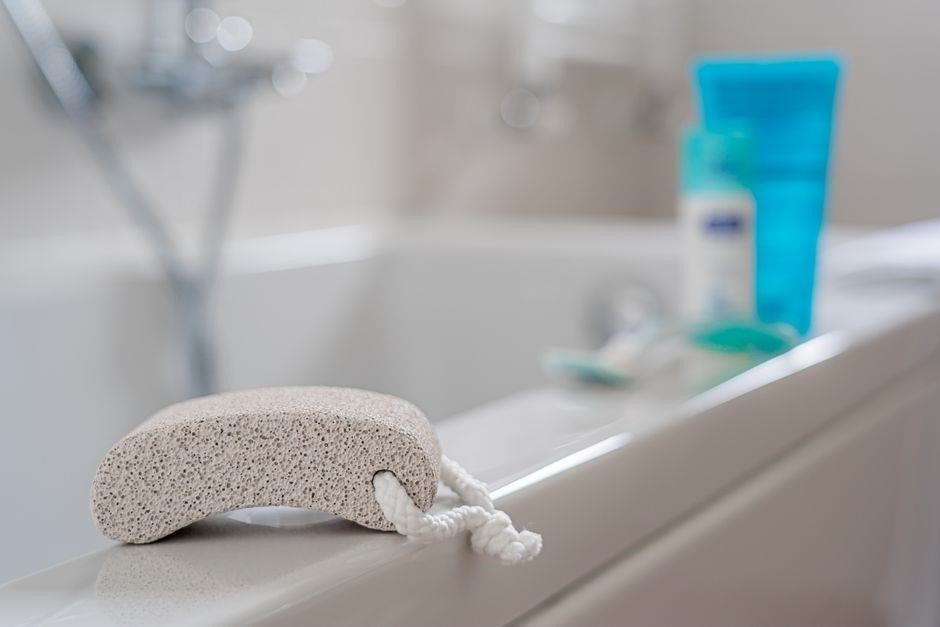
Before using Dr. Scholl’s Corn Remover, wash your feet with warm water and mild soap, gently dry them, and inspect for cuts or infections. Trim nails, remove callus with a pumice stone, and apply a thin layer of moisturizer to keep skin supple. Finally, ensure your shoes fit well and avoid tight footwear. Now!!
3.1 Pre-Cleaning and Inspection
Before beginning any corn removal procedure, thorough preparation of the foot is essential. Start by washing the affected area with lukewarm water and a mild, fragrance‑free soap. Gently scrub the skin using a soft washcloth or a circular motion with a pumice stone, focusing on the corn and surrounding callus to soften the thickened tissue. After rinsing, pat the foot dry with a clean towel, ensuring no moisture remains that could interfere with adhesive contact.
Inspection follows cleaning. Carefully examine the corn for signs of infection, such as redness, swelling, or pus, and look for any open wounds or skin breakdown that might worsen with treatment. If any of these conditions are present, postpone use of the remover and consult a healthcare professional. Use a magnifying glass or a bright light to get a clear view of the corn’s depth and shape, which helps determine the appropriate pad size and application duration.
Next, trim toenails to a level slightly below the nail bed, avoiding sharp edges that could cut the skin. Apply a thin layer of hypoallergenic, fragrance‑free moisturizer to the surrounding skin to prevent dryness and cracking during the treatment period. This step also helps the adhesive pad adhere more securely.
Finally, choose a pair of breathable, well‑fitting shoes that do not compress the treated area. Avoid tight or high‑heel footwear until the corn has fully healed. By following these pre‑cleaning and inspection steps, you create a clean, safe environment that maximizes the effectiveness of Dr. Scholl’s Corn Remover and safety !

Step‑by‑Step Application Instructions
Begin by placing the medicated pad over the cleaned corn, ensuring full contact. Secure it with the provided bandage, tightening gently but not too tight. Leave the pad in place for 12–24 hours, checking daily for irritation. After removal, rinse the area and apply a soothing lotion. Keep foot elevated gently.
4.1 Applying the Corn Remover Pad
To begin, wash the affected foot with warm water and mild soap, then pat dry. Inspect the corn area for any cuts or skin breakdown. Place the medicated pad over the corn, ensuring the adhesive side contacts the skin fully. Align the pad so it covers the entire corn surface without overlapping the surrounding skin. Use the included elastic bandage to secure the pad in place. Wrap the bandage around the foot, starting at the toes and moving upward, tightening until the pad stays snug but not constricting circulation. Mark the time of application on a small note. Leave the pad on for 12 to 24 hours, checking periodically for any signs of irritation or excessive moisture. If the pad becomes damp, replace it with a fresh one. After the recommended time, remove the pad gently, rinse the area with cool water, and pat dry. Apply a fragrance‑free moisturizer to restore hydration. Finally, reapply a new pad if necessary, following the same procedure. This method promotes gradual corn removal while protecting surrounding skin.
For optimal results, consider using a soft cotton sock over the bandage to prevent friction. If you experience mild swelling, elevate your foot for 15 minutes after removing the pad. Keep the area clean and dry; avoid tight shoes until the corn softens. Monitor for any signs of infection, such as increased redness, pus, or a foul odor, and seek professional care if symptoms persist. Remember to replace the pad daily if it becomes saturated, and store unused pads in a cool, dry place to maintain efficacy. Gentle, safe, all today.
Post‑Application Care and Hygiene
After pad removal, cleanse the area with lukewarm water, pat dry, and apply a fragrance‑free moisturizer to rehydrate skin. Wear breathable socks and avoid tight shoes for 24 hours. Monitor for redness or swelling; if symptoms worsen, consult a podiatrist. Now.
5.1 Cleaning and Moisturizing
After removing the Dr. Scholl’s corn remover pad, the first step in post‑application care is gentle cleansing. Use lukewarm water and a mild, fragrance‑free soap to wash the affected area, avoiding harsh scrubbing that could irritate the newly exposed skin. Pat the feet dry with a clean towel, ensuring no moisture remains trapped under any footwear. Once dry, apply a thin layer of a non‑comedogenic, hypoallergenic moisturizer specifically formulated for foot care. This helps re‑establish the skin’s natural barrier, reduces dryness, and supports the healing process. For best results, repeat the moisturizing routine twice daily, preferably after showering or washing your feet. Additionally, consider using a foot‑specific cream containing urea or lactic acid at a low concentration (5–10%) to gently exfoliate and soften any residual callus without over‑drying the skin. Keep your feet clean and well‑moisturized throughout the treatment period to prevent secondary irritation. If you notice any signs of infection—such as increased redness, swelling, or pus—stop using the product and seek professional medical advice. Maintaining proper hygiene and moisture balance is essential for a smooth recovery and long‑term foot health. The process requires patience; following these steps diligently often leads to improvement. Use a foot‑specific cream with urea or lactic acid to gently exfoliate and soften callus. Moisturizing the feet daily with a gentle lotion keeps skin supple and reduces the chance of new corns, supporting long‑term foot health care.!
Safety Precautions and Contraindications
Use only if no open wounds, diabetes, or poor circulation. Avoid if you have skin infections, eczema, or are pregnant. Do not apply to broken skin. If irritation occurs, discontinue use and consult a healthcare professional. Follow directions carefully. Never use on sensitive areas or if allergic. Soon!
6.1 Who Should Avoid Using the Product
Individuals with certain medical conditions or skin sensitivities should refrain from using Dr. Scholl’s Corn Remover. The product contains salicylic acid, which can cause irritation or worsen pre‑existing skin disorders. If you have diabetes, peripheral vascular disease, or any form of neuropathy, the removal pad may increase the risk of unnoticed injury or infection. Pregnant or nursing women should consult a healthcare professional before use, as the safety profile for these populations has not been fully established. Those with open wounds, cuts, or active infections on the feet should avoid the product entirely, as the medicated pad can aggravate the condition and delay healing. Individuals with eczema, psoriasis, or other inflammatory skin diseases should also exercise caution, as the chemical agents may trigger flare‑ups or excessive dryness. Finally, people who have a history of hypersensitivity or allergic reactions to salicylic acid, or who have previously experienced severe irritation from similar foot care products, should not use this remover. If you are uncertain about your suitability, seek professional medical advice prior to application. Patients with compromised immune systems, such as those undergoing chemotherapy or with HIV/AIDS, should also avoid using this product, as their skin may not tolerate the chemical agents well, and any irritation could lead to serious infections. Those who wear tight shoes should check with a podiatrist before use, as application may worsen foot minor issues
Frequently Asked Questions and Troubleshooting
Q: How long does it take to see results? A: Typically 3–5 days. Q: Can I use it on calluses? A: No, only for true corns. Q: What if skin feels itchy? A: Apply moisturizer after removal. For persistent pain, consult a podiatrist. Q: Can I use it with other foot creams? A: Yes, apply after removal. daily! OK?
7.1 Common Problems and Solutions
Problem 1: The pad does not stay in place. Solution: Ensure the foot is clean and dry before application. Press firmly for 10 seconds, then use the adhesive bandage to lock it. If the pad slides, try a smaller pad or a different brand of adhesive.
Problem 2: Skin irritation or redness. Solution: Apply a thin layer of fragrance‑free moisturizer before placing the pad. If irritation persists, discontinue use and consult a healthcare professional.
Problem 3: No visible improvement after 7 days. Solution: Re‑evaluate the corn size; if it is larger than the pad’s coverage, consider a larger pad or a professional extraction. Also, ensure you are wearing proper footwear to avoid pressure.
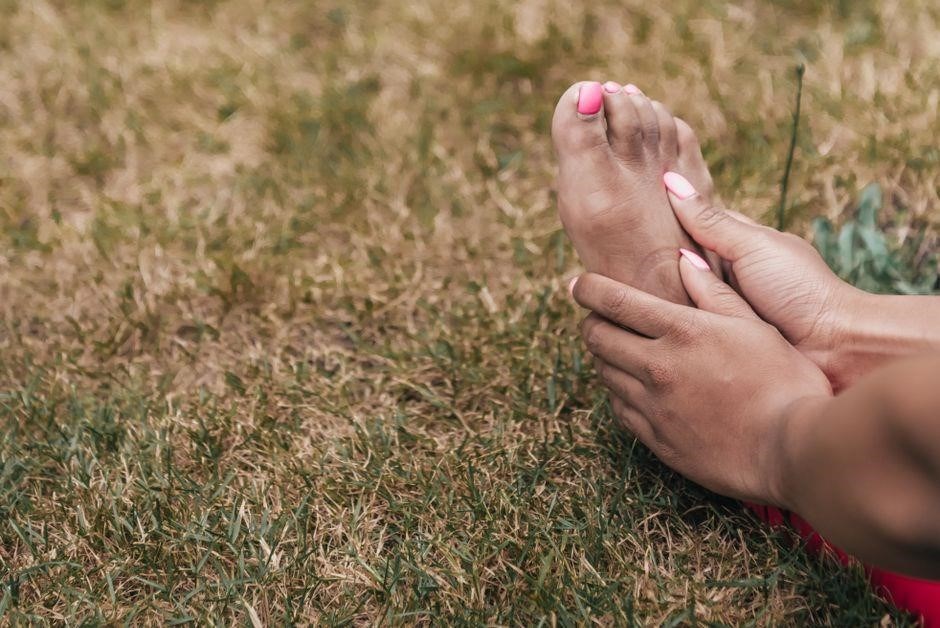
Problem 4: Pain during removal. Solution: Use a gentle, circular motion with a soft cotton swab to lift the pad. Do not force the corn; allow the product to work over several days.
Problem 5: Excessive dryness. Solution: After removal, apply a rich foot cream and wear cotton socks overnight. This keeps the area hydrated and prevents cracking.
Problem 6: The corn reappears quickly. Solution: Check for underlying foot mechanics. Consider orthotic inserts or a podiatrist visit to address gait issues that cause corn formation.
Problem 7: Allergic reaction to the adhesive. Solution: Switch to a hypoallergenic bandage or use a non‑adhesive wrap. If symptoms worsen, stop use immediately.
Always follow the manufacturer’s guidelines and consult a professional if uncertain today!.