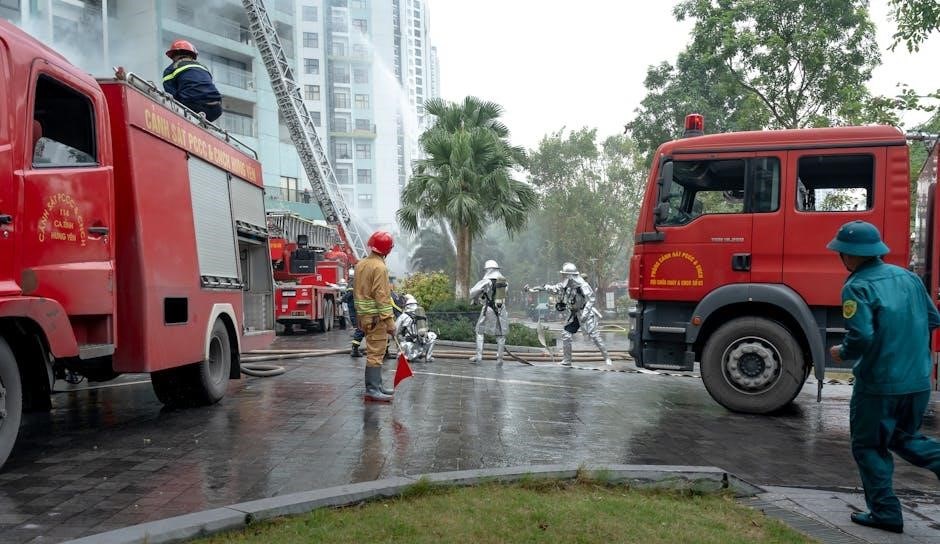
Fire Alarm Categories and Grades: A Comprehensive Overview (BS 5839-1:2025)
British Standard BS 5839-1:2025 outlines fire alarm system categories—Manual‚ Life Safety‚ and Property Protection—defining protection levels‚ ensuring compliance‚ and detailing system requirements.
Fire alarm systems are crucial for life safety and property protection‚ designed to detect and alert occupants to the presence of fire. These systems aren’t simply installed; they must adhere to stringent standards‚ most notably British Standard BS 5839-1:2025. This standard provides a comprehensive framework for the design‚ installation‚ commissioning‚ and maintenance of fire detection and fire alarm systems within buildings.
Understanding the nuances of BS 5839-1:2025 is paramount. The standard introduces a categorization system – Manual‚ Life Safety‚ and Property Protection – which dictates the level of protection a system provides. Complementing this are ‘grades‚’ ranging from A to F‚ signifying the system’s reliability and sophistication. These categories and grades aren’t interchangeable; they work in tandem to ensure appropriate fire protection tailored to a building’s specific risks and occupancy.
This overview will delve into these categories and grades‚ clarifying their distinctions and how they contribute to a robust fire safety strategy. Properly implemented systems‚ compliant with BS 5839-1:2025‚ are essential for minimizing fire-related damage and‚ most importantly‚ safeguarding lives.
The Importance of BS 5839-1:2025
BS 5839-1:2025 isn’t merely a recommendation; it’s the cornerstone of fire alarm system reliability and compliance in the UK. Adherence to this standard demonstrates a commitment to life safety and minimizes potential legal repercussions. It provides a detailed‚ prescriptive approach to system design‚ installation‚ and maintenance‚ ensuring consistent performance and reducing the risk of failure during a critical event.
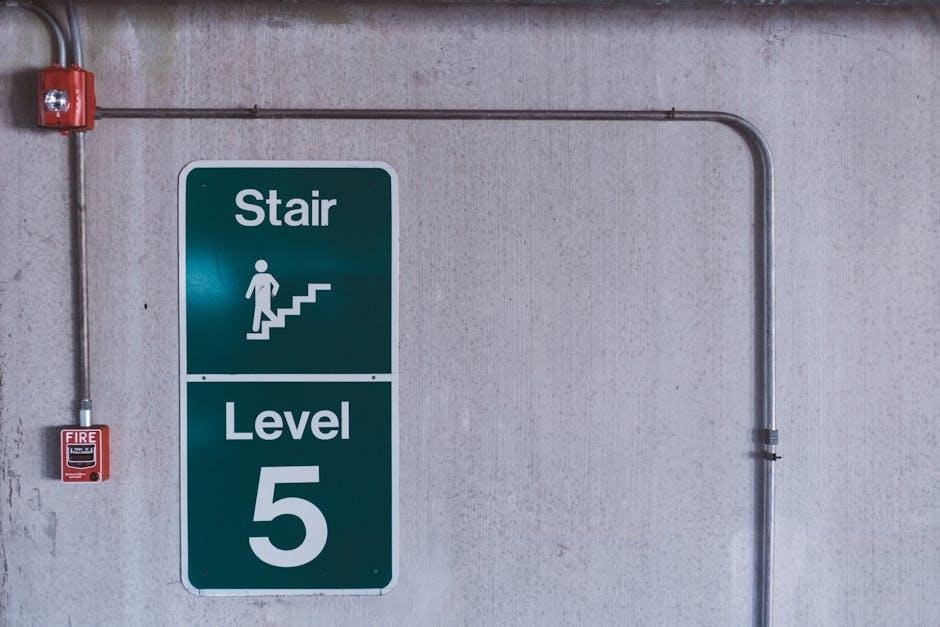
The standard’s importance stems from its comprehensive coverage of system components‚ from detectors and control panels to power supplies and alarm devices. It also addresses crucial aspects like risk assessment‚ zoning‚ and testing procedures. By following BS 5839-1:2025‚ building owners and managers can be confident that their fire alarm system is fit for purpose and will function effectively when needed.

Furthermore‚ compliance often dictates insurance requirements and is frequently requested by fire authorities during inspections. Ignoring the standard can lead to costly retrofits and potential safety hazards.
Understanding Fire Alarm Categories
Fire alarm system categories‚ as defined by BS 5839-1:2025‚ dictate the level of protection a system provides. These aren’t about system quality (that’s where grades come in)‚ but rather the purpose and extent of coverage. The primary groupings are Manual‚ Life Safety‚ and Property Protection‚ each addressing different risk profiles and building needs.
Manual systems (Category L1) rely solely on human activation‚ offering minimal protection. Life Safety categories (L2‚ L3‚ and L4) prioritize protecting building occupants‚ with increasing levels of automation and coverage. L2 provides basic automatic detection‚ while L3 offers enhanced protection‚ and L4 represents the highest level of life safety.
Property Protection categories focus on minimizing damage to the building and its contents‚ often incorporating more extensive detection and suppression systems. Understanding these categories is the first step in designing an appropriate fire alarm solution.
Category L: Life Safety Systems
Category L systems‚ central to occupant protection‚ represent a core focus of BS 5839-1:2025. These systems are designed to provide early warning of a fire‚ enabling safe and timely evacuation. Unlike Property Protection systems‚ the primary goal isn’t asset preservation‚ but the safeguarding of human life. Category L encompasses several sub-categories – L1 through L4 – each offering a progressively higher degree of protection and automation.
The selection of an appropriate L category depends on a thorough risk assessment‚ considering factors like building occupancy‚ size‚ and the vulnerability of occupants. These systems utilize various detectors‚ sounders‚ and control panels to achieve their life-saving objectives‚ adhering strictly to the standards outlined in the British Standard.
L1: Manual Systems
Representing the most basic level of life safety protection‚ L1 systems rely entirely on manual operation. These systems consist of call points strategically located throughout a building‚ allowing occupants to initiate an alarm upon discovering a fire. There are no automatic fire detectors included in an L1 configuration. While cost-effective‚ L1 systems depend heavily on occupants recognizing a fire and correctly activating the alarm.
BS 5839-1:2025 recommends L1 systems only for very simple buildings with readily accessible call points and a reliable means of alerting all occupants. They are generally unsuitable for complex layouts‚ high-risk environments‚ or buildings with vulnerable individuals. Regular testing of call points is crucial to ensure functionality and occupant awareness.
L2: Automatic Systems – Life Protection
L2 systems represent a significant advancement in fire safety‚ incorporating automatic fire detectors to provide early warning. These systems aim to protect life by providing timely notification of a fire‚ allowing occupants to evacuate safely. L2 systems typically include smoke detectors‚ heat detectors‚ or a combination of both‚ strategically placed throughout the building.
Automatic detection ensures a faster response than manual systems‚ particularly crucial during nighttime or when a fire starts in an unoccupied area. BS 5839-1:2025 recommends L2 systems for most general occupancies‚ offering a balance between cost and protection. The system must reliably alert occupants and‚ ideally‚ activate a connected fire alarm receiving center for prompt emergency service dispatch.
L3: Automatic Systems – Enhanced Life Protection
Category L3 systems build upon the foundation of L2‚ offering a heightened level of life safety through more comprehensive automatic fire detection. These systems are designed for buildings where occupants may be more vulnerable‚ such as hospitals‚ care homes‚ or complex commercial structures. L3 systems typically feature detectors in all areas of the building‚ including escape routes‚ to ensure rapid fire identification.
Enhanced features often include sounders throughout the building‚ providing clear and distinct evacuation signals. Furthermore‚ L3 systems frequently incorporate advanced control panels with detailed zoning capabilities‚ allowing for precise fire location identification. This enables faster and more targeted emergency response‚ maximizing occupant safety and minimizing potential damage. BS 5839-1:2025 strongly advocates for L3 in higher-risk environments.
L4: Automatic Systems – Highest Level of Life Protection
Category L4 represents the pinnacle of fire protection within the life safety framework of BS 5839-1:2025. These systems are mandated for buildings housing individuals with heightened vulnerability‚ where self-evacuation is challenging or impossible. Think of high-rise residential buildings‚ complex healthcare facilities‚ or specialized care institutions.
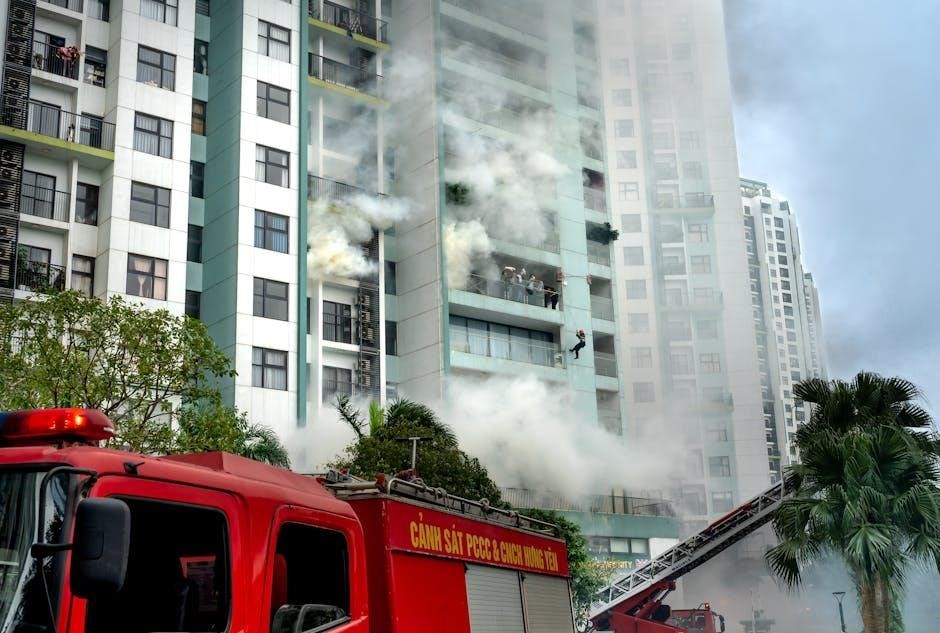
L4 systems demand detectors in all areas‚ including every room and circulation space‚ coupled with a sophisticated and fully addressable control panel. This allows for pinpoint fire location and facilitates phased evacuation strategies. Crucially‚ L4 systems integrate with other building safety systems‚ like voice alarm and evacuation systems‚ and often feature fire suppression activation. Regular‚ rigorous testing and maintenance are paramount to ensure unwavering reliability and optimal performance‚ safeguarding the lives of occupants.
Understanding Fire Alarm Grades
Fire alarm grades‚ as defined by BS 5839-1:2025‚ denote the level of reliability and sophistication inherent within a system’s components. These grades – ranging from A (highest) to F (lowest) – dictate the quality of equipment and the robustness of the system’s design. They aren’t about the scope of protection (that’s categories)‚ but how well that protection is delivered.
A Grade A system utilizes the most dependable components‚ conforming to BS 5839 Parts 1 or 6‚ and is typically found in high-risk or complex buildings. Lower grades‚ like C or D‚ employ less sophisticated equipment‚ suitable for lower-risk environments. Understanding these grades is crucial because they directly impact the system’s ability to detect‚ alert‚ and ultimately‚ protect life and property. Selecting the appropriate grade is a critical aspect of fire risk assessment.
Grade A: Highest Level of System Reliability
Representing the pinnacle of fire alarm system dependability‚ Grade A systems are mandated for buildings demanding the utmost protection. These systems necessitate a control panel adhering to either BS 5839 Part 1 or Part 6 standards‚ ensuring robust functionality and minimizing false alarms. Components throughout the system—detectors‚ sounders‚ and wiring—must meet stringent performance criteria.
Grade A isn’t simply about high-quality parts; it’s about redundancy and comprehensive monitoring. Features often include multiple control panels‚ sophisticated cause-and-effect programming‚ and continuous monitoring of system integrity. This grade is typically specified for complex structures‚ high-occupancy buildings‚ and those housing critical infrastructure where even a momentary system failure could have catastrophic consequences. It’s the gold standard in fire safety.
Grade B: Standard System Reliability
Grade B systems represent a widely adopted level of fire alarm reliability‚ suitable for a broad spectrum of commercial and residential properties. While not as comprehensively protected as Grade A‚ these systems still offer a significant degree of safety and are designed to minimize the risk of both false alarms and system failures. They utilize components meeting recognized standards‚ ensuring dependable performance.
A key characteristic of Grade B systems is their reliance on a single control panel‚ though it must still adhere to relevant BS 5839 standards. Regular testing and maintenance are crucial to uphold their effectiveness. This grade is frequently chosen for buildings where a high level of protection is desired‚ but the risks aren’t considered as extreme as those warranting a Grade A installation. It provides a balance between cost and security.
Grade C: Moderate System Reliability
Grade C fire alarm systems offer a moderate level of reliability‚ typically employed in lower-risk buildings or specific areas within larger complexes. These systems are characterized by a simpler design and fewer sophisticated features compared to Grade A or B installations. They generally feature a single control panel and utilize standard detection devices‚ providing basic fire warning capabilities.
While offering a reasonable level of protection‚ Grade C systems are more susceptible to potential faults and may have a higher likelihood of false alarms. Regular maintenance and testing are still essential‚ but the overall system complexity is reduced. This grade is often selected for smaller commercial properties‚ retail units‚ or areas where the consequences of a fire are considered less severe‚ balancing cost-effectiveness with fundamental fire safety.
Grade D: Lowest System Reliability
Grade D fire alarm systems represent the lowest level of reliability‚ suitable only for very limited applications where fire risks are minimal and the consequences of a fire are relatively low. These systems typically consist of basic manual call points and sounders‚ without sophisticated detection or control features. They lack redundancy and offer minimal protection against false alarms or system failures.
Grade D systems are generally found in small‚ low-occupancy buildings‚ such as sheds‚ outbuildings‚ or areas with limited fire hazards. They are not recommended for complex structures or buildings with vulnerable occupants. Due to their limited capabilities‚ Grade D systems require particularly diligent manual inspection and testing to ensure basic functionality. Their primary purpose is to provide a simple warning signal‚ rather than comprehensive fire detection and control.
Grade E: Systems with Limited Protection
Grade E fire alarm systems offer a very basic level of protection‚ typically employed in situations where only a minimal degree of fire detection is deemed necessary. These systems generally feature manual call points and sounders‚ often without any form of automatic fire detection. They are suitable for low-risk environments where the primary goal is to provide a simple warning in the event of a fire‚ relying heavily on occupants to initiate the alarm.
Grade E systems are commonly found in small‚ single-occupancy buildings or areas with very low fire hazards. They lack the sophistication and reliability of higher-grade systems and are not appropriate for complex buildings or those with vulnerable occupants. Regular manual inspection and testing are crucial to ensure the limited functionality of these systems remains operational.
Grade F: Basic Systems
Representing the lowest level of fire alarm system reliability‚ Grade F systems are characterized by their simplicity and limited functionality. These systems typically consist solely of manual call points and sounders‚ offering no automatic fire detection capabilities. They are intended for very low-risk environments where the potential for fire is minimal and the consequences of a fire would be relatively low.
Grade F systems are often found in small‚ single-occupancy buildings or outbuildings where a basic warning system is deemed sufficient. They offer minimal protection and rely entirely on occupants to discover a fire and activate the manual call points. Due to their limited scope‚ Grade F systems are not suitable for complex buildings or those housing vulnerable individuals‚ and require diligent manual inspection.
Distinguishing Between Categories and Grades
Understanding the difference between fire alarm categories and grades is crucial for effective system design and compliance with BS 5839-1:2025. Categories define the purpose and extent of fire protection – what the system is intended to achieve‚ such as life safety or property protection. They dictate where detectors and call points should be located within a building.
Conversely‚ grades define the quality and reliability of the system components and overall design. They specify how well the system will perform‚ ranging from basic (Grade F) to highly sophisticated (Grade A). A system’s category determines the level of protection needed‚ while its grade ensures that level of protection is delivered reliably. They work in tandem; a Category L1 system‚ for example‚ might require a Grade A installation.
How Categories and Grades Work Together
Fire alarm categories and grades aren’t independent entities; they function as a complementary pair to ensure appropriate fire protection. The chosen category – whether it’s life safety (L1-L4) or property protection – establishes the overall objectives of the system. This dictates the areas requiring coverage and the types of detection needed.
However‚ simply selecting a category isn’t enough. The corresponding grade determines the system’s reliability and sophistication to achieve that category’s objectives. For instance‚ a high-risk building demanding Category L4 (highest life protection) would necessitate a Grade A system‚ ensuring robust components and dependable performance. Lower-risk scenarios might suffice with a Category L3 and Grade B combination. This integrated approach guarantees a tailored‚ effective fire alarm solution.
Factors Influencing Category and Grade Selection
Several critical factors dictate the appropriate fire alarm category and grade for a building. A thorough building risk assessment is paramount‚ considering occupancy type‚ building height‚ construction materials‚ and potential fire hazards. Occupant characteristics – such as the presence of vulnerable individuals – also play a significant role.
Higher-risk environments‚ like hospitals or high-rise structures‚ generally demand higher categories (L3 or L4) and grades (A or B) for enhanced protection. Conversely‚ lower-risk buildings‚ like small retail shops‚ might be adequately protected by lower categories and grades. Regulatory requirements and insurance stipulations further influence these decisions. Ultimately‚ the goal is to balance life safety‚ property protection‚ and budgetary constraints to create a proportionate and effective fire alarm system.
Building Risk Assessment and System Design

A comprehensive building risk assessment forms the cornerstone of effective fire alarm system design‚ adhering to BS 5839-1:2025. This assessment meticulously evaluates potential fire hazards‚ occupant vulnerabilities‚ and building characteristics. Key considerations include fire load‚ escape routes‚ and the presence of flammable materials.
System design must align with the assessed risk level‚ selecting appropriate categories and grades. This involves determining detector placement‚ sounder coverage‚ and control panel functionality. The design should prioritize early fire detection‚ reliable alarm transmission‚ and clear evacuation procedures. Regular review and updates to the risk assessment are crucial‚ especially following building modifications or changes in occupancy‚ ensuring continued system effectiveness and compliance.
Specific Building Types and Recommended Systems
Different building types necessitate tailored fire alarm systems based on their unique risks and occupancy levels. Residential buildings generally benefit from Category L2 or L3 systems‚ prioritizing life protection with automatic detection. Commercial buildings‚ with higher occupancy and complex layouts‚ often require Category L3 or L4 systems‚ demanding enhanced life protection and potentially property protection features.
Industrial buildings‚ frequently handling flammable materials‚ may necessitate Category L4 systems coupled with specialized detection technologies. Grade A systems are recommended for high-risk or complex buildings‚ ensuring maximum reliability. Regular risk assessments are vital to confirm the suitability of the chosen category and grade‚ adapting to evolving building usage and potential hazards‚ guaranteeing optimal fire safety.
Residential Buildings: Category and Grade Considerations
For residential buildings‚ fire alarm system selection hinges on factors like building height‚ occupancy type‚ and resident vulnerability. Lower-risk properties‚ such as individual homes‚ may suffice with a Category L2 system – automatic fire detection throughout escape routes. Multi-occupancy buildings‚ like apartments‚ generally require Category L3‚ offering enhanced life protection with detection in all communal areas and within each dwelling.
Grade C systems often represent a suitable balance of reliability and cost-effectiveness for residential applications. However‚ buildings housing vulnerable residents‚ such as care homes‚ demand Category L4 and Grade A systems‚ ensuring the highest level of protection and system dependability. Regular assessments are crucial to adapt systems to changing resident needs and building modifications.
Commercial Buildings: Category and Grade Considerations
Commercial buildings necessitate a more robust approach to fire safety‚ typically demanding Category L2 or L3 systems. Office spaces often benefit from Category L3‚ providing automatic detection throughout the building‚ including individual offices‚ ensuring rapid fire identification and evacuation. Retail environments‚ with higher public occupancy and potential fire loads‚ frequently require Category L4 for the highest level of life protection.
Grade B systems are commonly employed‚ offering a standard level of reliability suitable for many commercial applications. However‚ high-risk commercial properties‚ such as those handling flammable materials‚ or buildings with complex layouts‚ may necessitate Grade A systems. Thorough risk assessments are vital to determine the appropriate category and grade‚ considering factors like building size‚ occupancy levels‚ and potential hazards.
Industrial Buildings: Category and Grade Considerations
Industrial facilities present unique fire safety challenges due to the presence of flammable materials‚ complex processes‚ and large spaces. Consequently‚ Category L3 or L4 systems are generally recommended‚ prioritizing early fire detection and suppression. The specific category depends on the nature of the industrial process and the potential fire hazards involved.
Grade A systems are frequently essential in industrial settings‚ particularly those with high-risk operations‚ demanding the highest level of system reliability and redundancy. Grade B systems may be suitable for lower-risk industrial buildings‚ but a comprehensive risk assessment is crucial. Considerations include the type of materials handled‚ the building’s layout‚ and the potential for rapid fire spread. Regular maintenance and testing are paramount to ensure system functionality.
Components of a Fire Alarm System by Grade
A Grade A system necessitates a sophisticated control panel conforming to BS 5839 Part 1 or Part 6‚ alongside highly reliable detectors‚ manual call points‚ and robust power supplies with backup. These systems often incorporate advanced features like voice evacuation and sophisticated cause-and-effect programming.
Grade B systems utilize dependable control panels and detectors‚ but may have less redundancy than Grade A. Grade C systems employ more moderate components‚ suitable for lower-risk environments‚ potentially including simpler control panels and fewer detection points. Lower grades‚ like D and E‚ feature basic components‚ often relying heavily on manual intervention; Component selection must align with the chosen grade to ensure the system meets the required performance standards and provides adequate protection.
Grade A System Components
Grade A fire alarm systems‚ representing the highest reliability‚ demand stringent component specifications. The control and indicating equipment must comply with BS 5839 Part 1 or Part 6‚ offering comprehensive control and detailed system monitoring. Detectors employed are typically of the highest quality – addressable types are common – providing precise location identification.
Power supplies feature full redundancy‚ including a standby generator or extended battery backup. Manual call points are strategically placed for easy access. Additionally‚ Grade A systems frequently integrate voice alarm systems for clear evacuation instructions and advanced cause-and-effect programming for complex building scenarios. Regular testing and maintenance are crucial to uphold this level of performance.
Grade B System Components
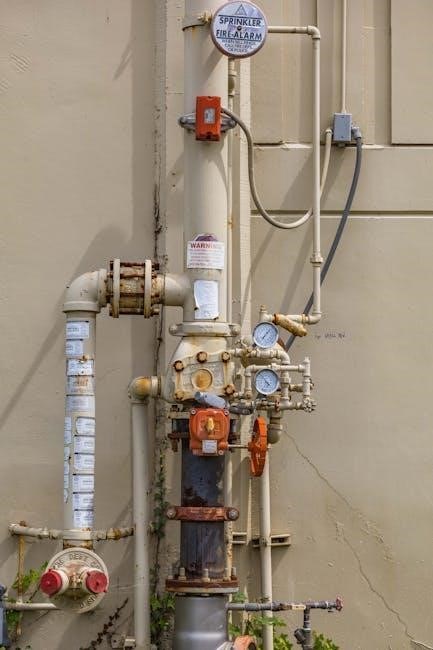
Grade B fire alarm systems represent a standard level of reliability‚ suitable for a wide range of commercial and residential properties. These systems utilize control and indicating equipment conforming to BS 5839-1‚ though with potentially less sophisticated features than Grade A. Detector choices often include conventional or addressable options‚ providing effective fire detection.
Power supplies incorporate battery backup‚ ensuring continued operation during mains failure. Manual call points are strategically positioned throughout the building. While voice alarm systems aren’t mandatory‚ they can be integrated. Grade B systems prioritize effective fire warning‚ balancing reliability with cost-effectiveness. Routine maintenance and testing are essential for sustained performance and compliance with safety standards.
Grade C System Components
Grade C fire alarm systems offer moderate reliability‚ typically employed in less complex buildings or specific areas within larger structures. These systems utilize simpler control and indicating equipment compared to Grades A and B‚ often relying on conventional technology. Detection is generally achieved through smoke and heat detectors‚ strategically placed to provide adequate coverage.
Power supplies include battery backup for short-term operation during power outages. Manual call points are present‚ but their quantity might be reduced compared to higher grades. Grade C systems focus on providing a basic level of fire warning‚ suitable for lower-risk environments. Regular testing and maintenance are crucial to ensure continued functionality and adherence to safety regulations‚ despite their reduced complexity.
Compliance and Certification
Achieving compliance with BS 5839-1:2025 is paramount for fire alarm systems‚ ensuring life safety and property protection. Certification demonstrates adherence to these rigorous standards‚ typically performed by a recognized third-party certification body. This process involves thorough system design review‚ installation quality assessment‚ and comprehensive testing to verify functionality.
Documentation‚ including system drawings‚ commissioning reports‚ and maintenance records‚ is essential for demonstrating ongoing compliance. Regular inspections and servicing by competent persons are mandatory‚ maintaining system integrity. Certification provides assurance to building owners‚ occupants‚ and insurers that the fire alarm system meets the required performance criteria‚ offering peace of mind and legal defensibility.
BS 5839-1:2025 Certification Requirements
BS 5839-1:2025 certification demands a meticulous approach‚ beginning with a detailed system design conforming to the chosen category and grade. Installation must be executed by competent personnel‚ adhering strictly to manufacturer’s instructions and relevant regulations. Comprehensive commissioning tests‚ documented thoroughly‚ are crucial‚ verifying all system components function correctly and interact seamlessly.
The control and indicating equipment must comply with BS 5839 Part 1 or Part 6‚ depending on the system grade. Regular maintenance‚ performed by certified engineers‚ is essential‚ with detailed records maintained. Certification bodies conduct periodic audits to ensure continued compliance‚ assessing documentation‚ testing procedures‚ and overall system performance. Successful certification provides formal recognition of a reliable and effective fire alarm system.
Regular Maintenance and Testing
Consistent maintenance and testing are paramount for ensuring fire alarm system reliability‚ as dictated by BS 5839-1:2025. Weekly testing of manual call points and sounders is essential‚ alongside quarterly checks of the control panel and standby power supplies. Six-monthly inspections should encompass detector sensitivity and overall system functionality.
Annual comprehensive servicing‚ conducted by qualified engineers‚ involves thorough examination of all components‚ including wiring‚ batteries‚ and interfaces. Detailed records of all maintenance and testing activities must be meticulously maintained‚ providing a clear audit trail. Addressing any identified faults promptly is crucial‚ preventing system failures and ensuring optimal performance. Regular upkeep safeguards life and property‚ upholding compliance with the standard.
Future Trends in Fire Alarm Technology
The landscape of fire alarm technology is rapidly evolving‚ driven by advancements in connectivity and data analytics. Wireless fire alarm systems are gaining prominence‚ offering flexibility and reduced installation costs‚ particularly in heritage buildings. Integration with Building Management Systems (BMS) is becoming commonplace‚ enabling centralized monitoring and control.
Artificial Intelligence (AI) and machine learning are poised to revolutionize fire detection‚ minimizing false alarms through sophisticated algorithms and predictive maintenance. Cloud-based systems provide remote access‚ real-time data insights‚ and enhanced cybersecurity. Voice alarm systems with improved intelligibility and directional messaging are also emerging. These innovations promise smarter‚ more responsive‚ and efficient fire protection solutions‚ continually refining BS 5839-1:2025 applications.